Telangana officially came into existence as a separate state in 2014. For many, that year marks the beginning of its political journey. But for those who know this land, its story began long before - long before maps were drawn, long before kingdoms rose, long before history was written.
Telangana is not new. It is ancient. It is layered. It is remembered in stone, soil, song, and spirit.
Before There Were Kingdoms
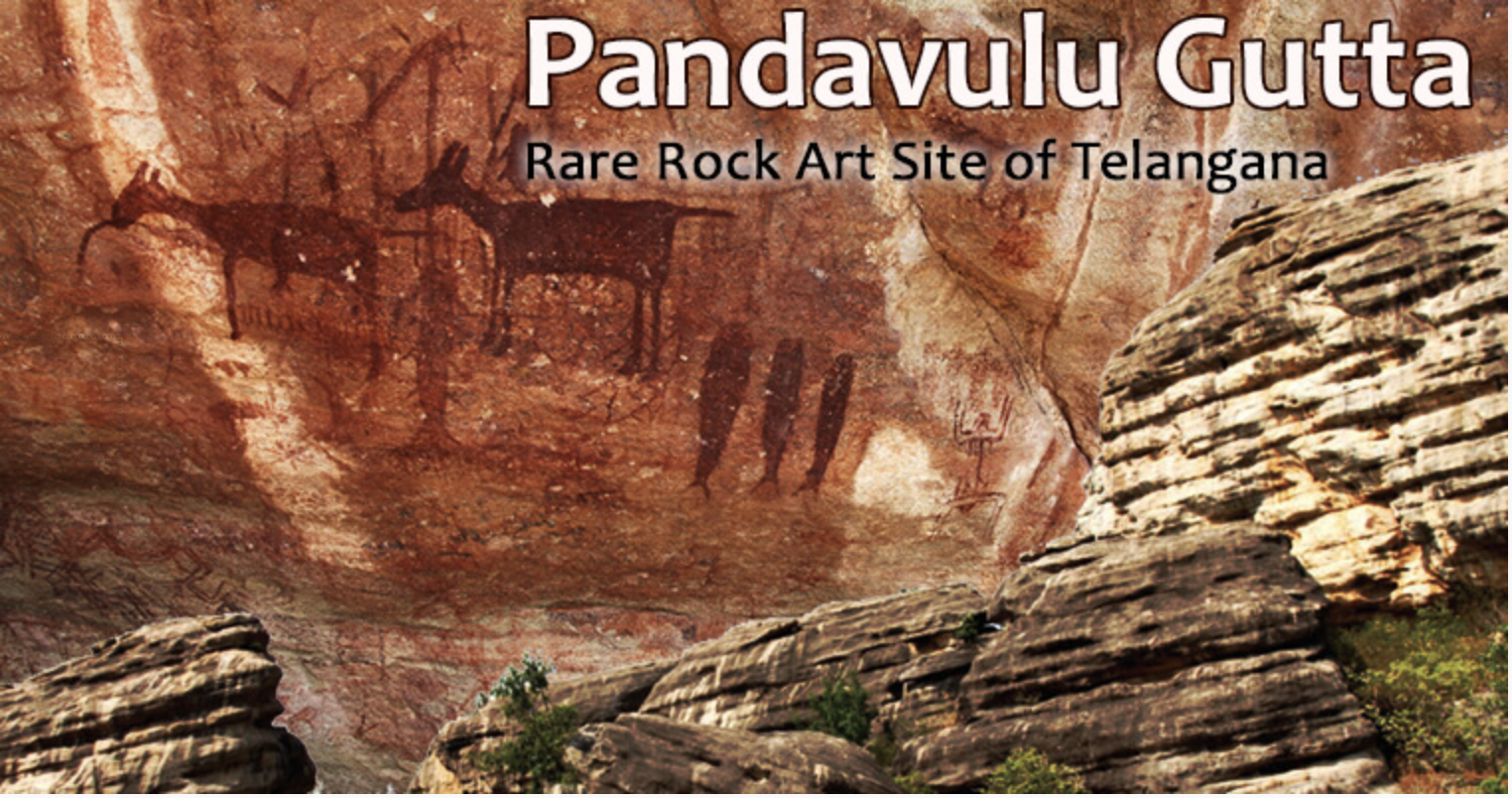
Long before dynasties, there were communities who left their marks on rocks and caves. The prehistoric paintings at Pandavula Gutta in Jaishankar Bhupalpally district remind us that Telangana was inhabited during the Palaeolithic, Mesolithic, Neolithic, Chalcolithic, and Megalithic periods.
Thousands of years ago, human hands painted stories on stone. When you stand before those markings today, there is a strange realization - people lived here, dreamed here, survived here, just as we do now.
Telangana's roots run deep.
Dynasties, Forts and Faith
Over centuries, many rulers shaped this region - Satavahanas, Ikshvakus, Rashtrakutas, Western Chalukyas of Badami, Chalukyas of Vemulavada, Western Chalukyas of Kalyani, the great Kakatiyas, the Delhi Sultanate, Gajapatis of Odisha, Vijayanagara rulers, Qutb Shahis, Mughals, and the Asaf Jahi Nizams of Hyderabad. Later came British influence, the Hyderabad State, and finally integration into Independent India.
Each era left its imprint.
Among them, the Kakatiyas hold a special place in Telangana's collective memory. They did not just rule - they built with vision. The Ramappa Temple, now a UNESCO World Heritage Site, stands as a masterpiece of sculptural finesse and engineering brilliance. Its floating bricks and intricate carvings still leave visitors in quiet awe.
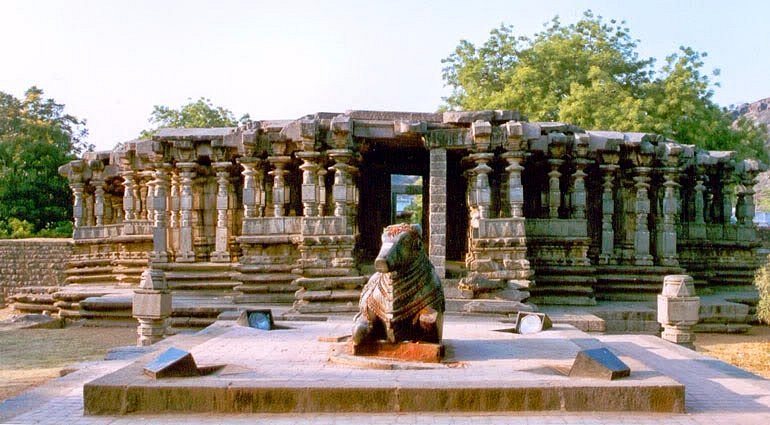
The Thousand Pillar Temple in Hanamkonda, dedicated to Shiva, Vishnu, and Surya, reflects the architectural symmetry and spiritual inclusiveness of that time. Even today, when sunlight falls through its carved pillars, it feels like stepping into another century.
Not far away stands the serene Bhadrakali Temple, overlooking a peaceful lake in Warangal. There is something deeply grounding about that space - the goddess watching over the city, the water reflecting the sky, history and faith coexisting in silence.
Warangal Fort, with its massive stone gateways and scattered ruins, carries the dignity of an era that valued strength and artistry equally.
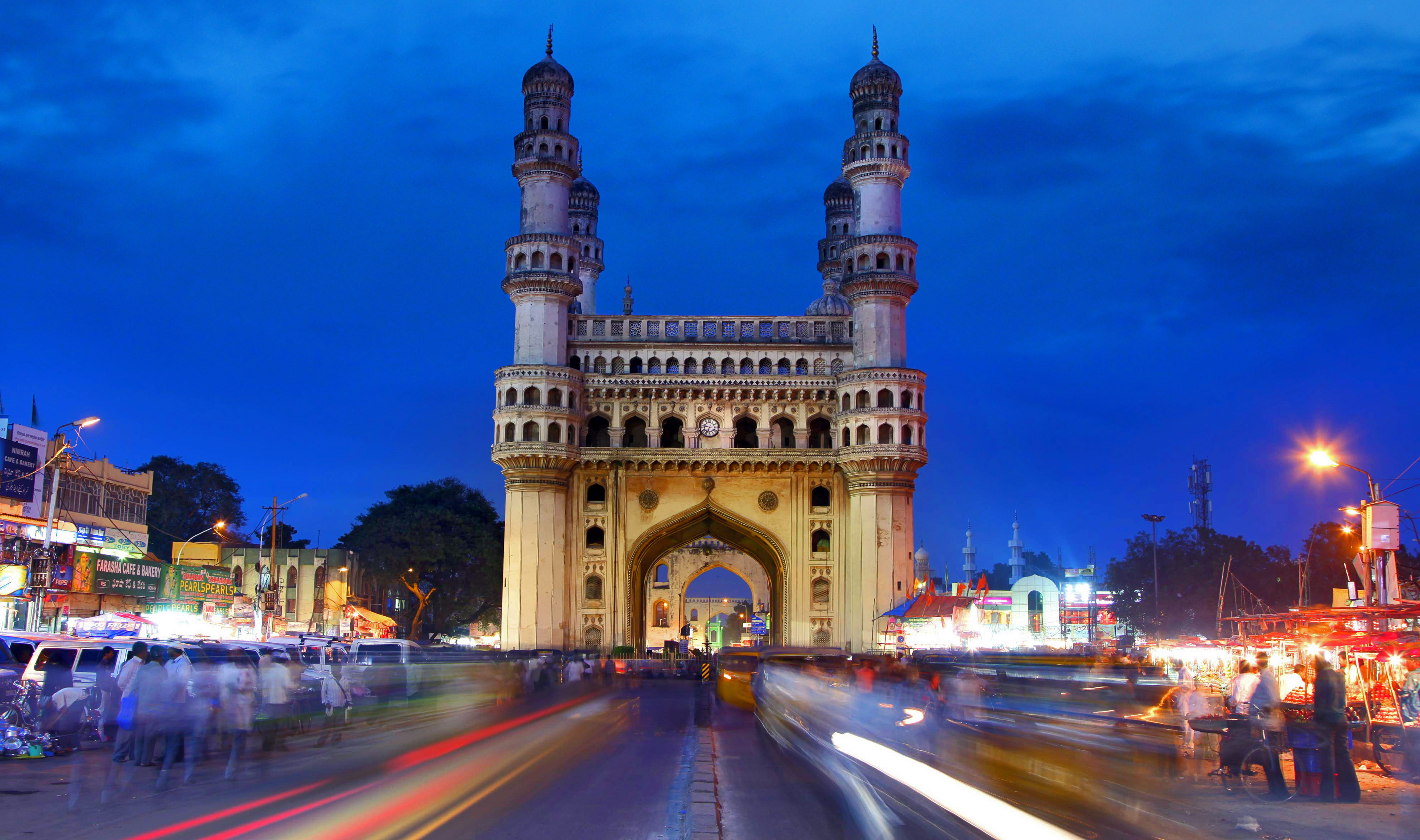
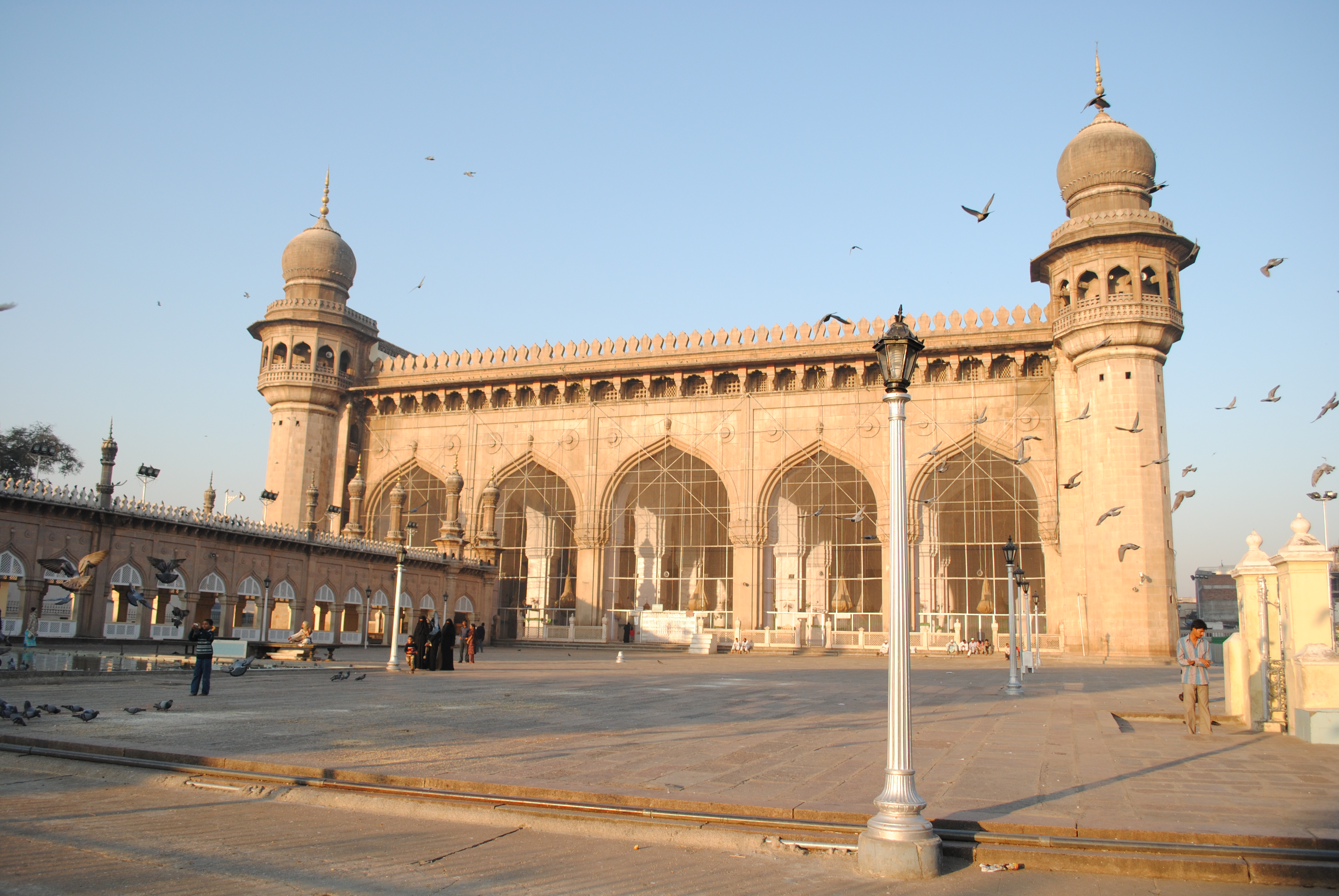
As centuries passed, the Qutb Shahi and Nizam rulers transformed Hyderabad into a city of extraordinary cultural fusion. The Charminar became its beating heart. Golconda Fort still echoes with stories of diamonds and dynasties. Chowmahalla Palace preserves royal elegance, while Mecca Masjid stands as one of the largest and most magnificent mosques in India.
Beyond Warangal and Hyderabad, Telangana's spiritual and historical landscape stretches wide:
- Bhadrachalam, where devotion to Lord Rama flows along the banks of the Godavari.
- Yadagirigutta (Yadadri), now beautifully redeveloped, radiating spiritual energy.
- Alampur Jogulamba Temple, one of the 18 Shakti Peethas.
- Basara Saraswati Temple, where young children begin their journey into education.
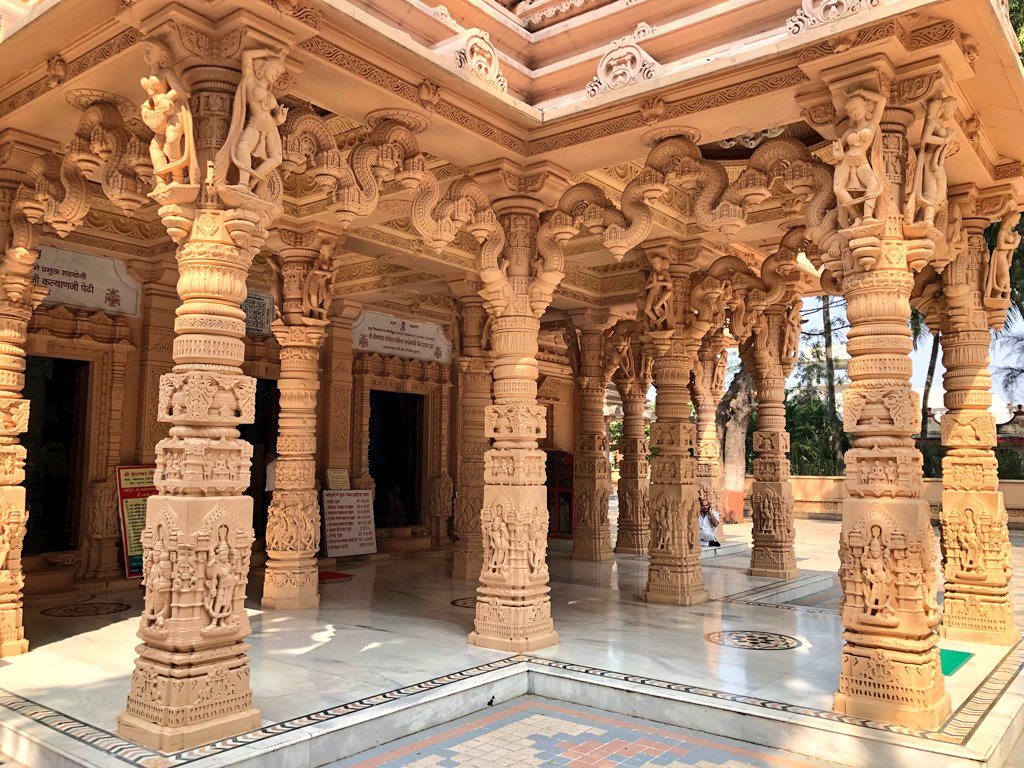
- Kolanupaka Jain Temple, reflecting ancient Jain heritage.
- The majestic Medak Cathedral, one of the largest churches in Asia.
These places are not just tourist destinations. They are living spaces of faith, memory, and continuity.
Telangana was never one-dimensional. It absorbed influences - Hindu, Islamic, Jain, Christian, tribal - without losing its own cultural core. Its monuments stand not in isolation, but in conversation with each other.
That is what makes Telangana remarkable - its ability to evolve, yet remain unmistakably itself.
A Secular Spirit That Feels Natural
One of the most beautiful things about Telangana is its quiet secular strength.
Here, different religions don't compete for space - they share it.
You can visit the Alampur Jogulamba Temple, seek blessings at Yadagirigutta, feel devotion at Bhadrachalam and Basara Saraswati Temple, admire the Jain Mandir in Kolanupaka, attend prayer at Medak Church, and stand in awe inside Mecca Masjid - all within the same state, often within short distances of each other.
Bathukamma and Bonalu fill the streets with flowers and devotion. Eid brings families together over haleem and sweets. Christmas lights glow in churches and homes. This coexistence is not forced - it is lived.
Telangana's identity has always been plural.
Telangana was never one-dimensional. It absorbed influences - Hindu, Islamic, Jain, Christian, tribal - without losing its own cultural core. Its monuments stand not in isolation, but in conversation with each other.
That is what makes Telangana remarkable - its ability to evolve, yet remain unmistakably itself.
The Taste of the Land
Food in Telangana feels honest. It reflects the land and the climate.
In rural homes, you will find Ambali, a nourishing millet drink, and rotte made from jonna, sajja, and mokkajonna. Dishes like boti koora, punti koora, spicy vepudu, and tangy pulusu carry bold flavors. Festival foods like Sarva Pindi and Chakinalu are made with patience and shared with warmth.
Then there is Hyderabadi cuisine - royal and refined.
- Biryani that carries fragrance in every grain.
- Slow-cooked haleem during Ramzan.
- Smoky kebabs and tikkas.
- Sweet indulgences like double ka meetha and qubani ka meetha.
- And of course, Irani chai - strong, comforting, timeless.
In Telangana, food is not just eaten. It is remembered.
Stories That Move, Dances That Roar
Telangana's artistic traditions still breathe through its people.
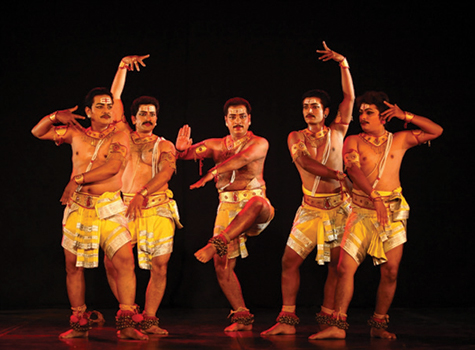
Oggu Kathalu keeps mythology alive through dramatic storytelling. Perini Sivatandavam, the ancient "dance of warriors," revives the fierce spirit of Kakatiya soldiers. Golla Suddulu reflects rural life and pastoral narratives.
Art here is not distant or elite. It belongs to villages, to festivals, to gatherings under open skies.
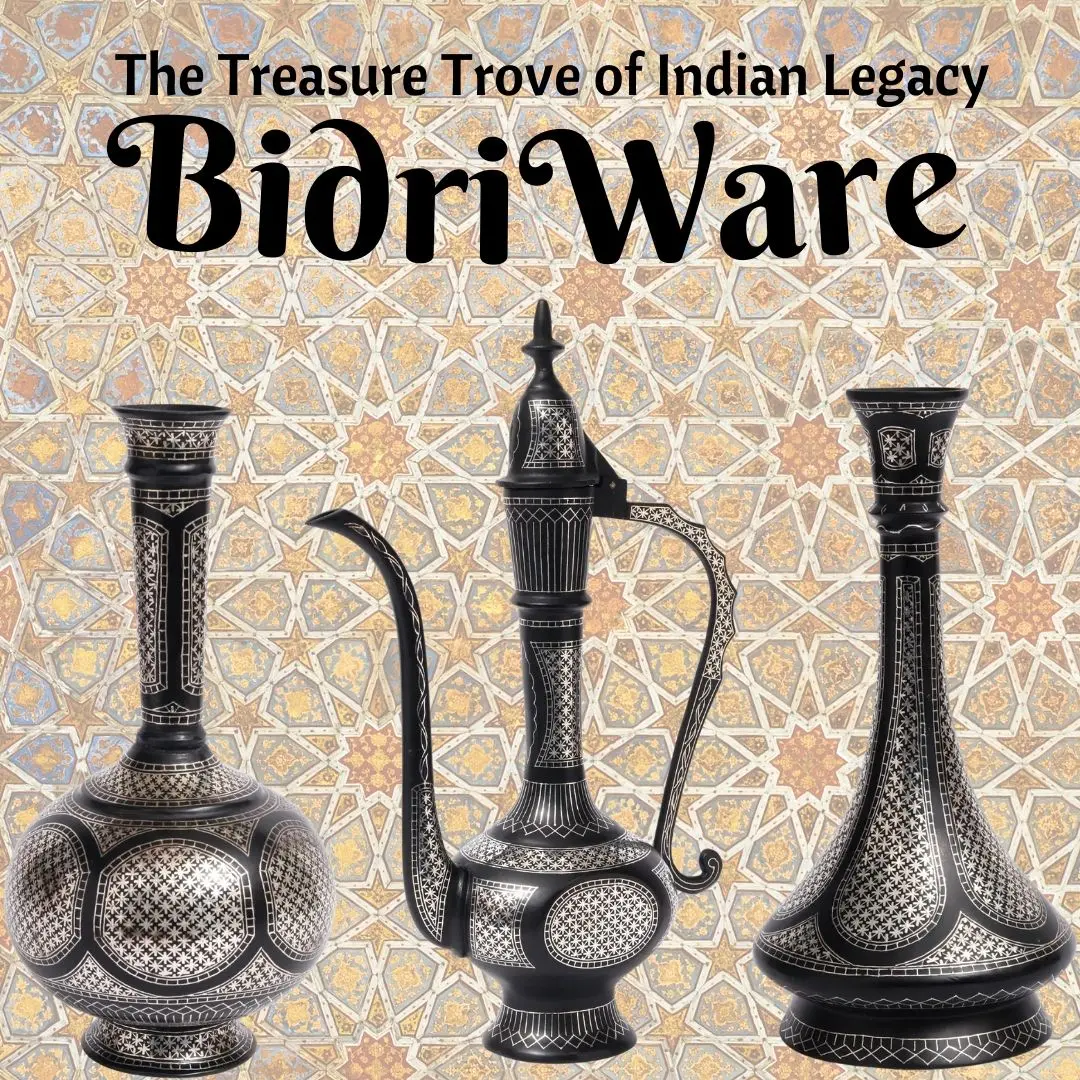
Its crafts are equally rich - Banjara needlework, intricate Bidri craft, delicate Nirmal paintings, tribal Dokra (bell metal) art from regions like Jainoor Mandal, and traditional bronze castings. These are not factory products. They are generational knowledge shaped by hand.
From Folk Drums to the Oscars
Hyderabad today is also the heart of Tollywood - Telugu cinema.
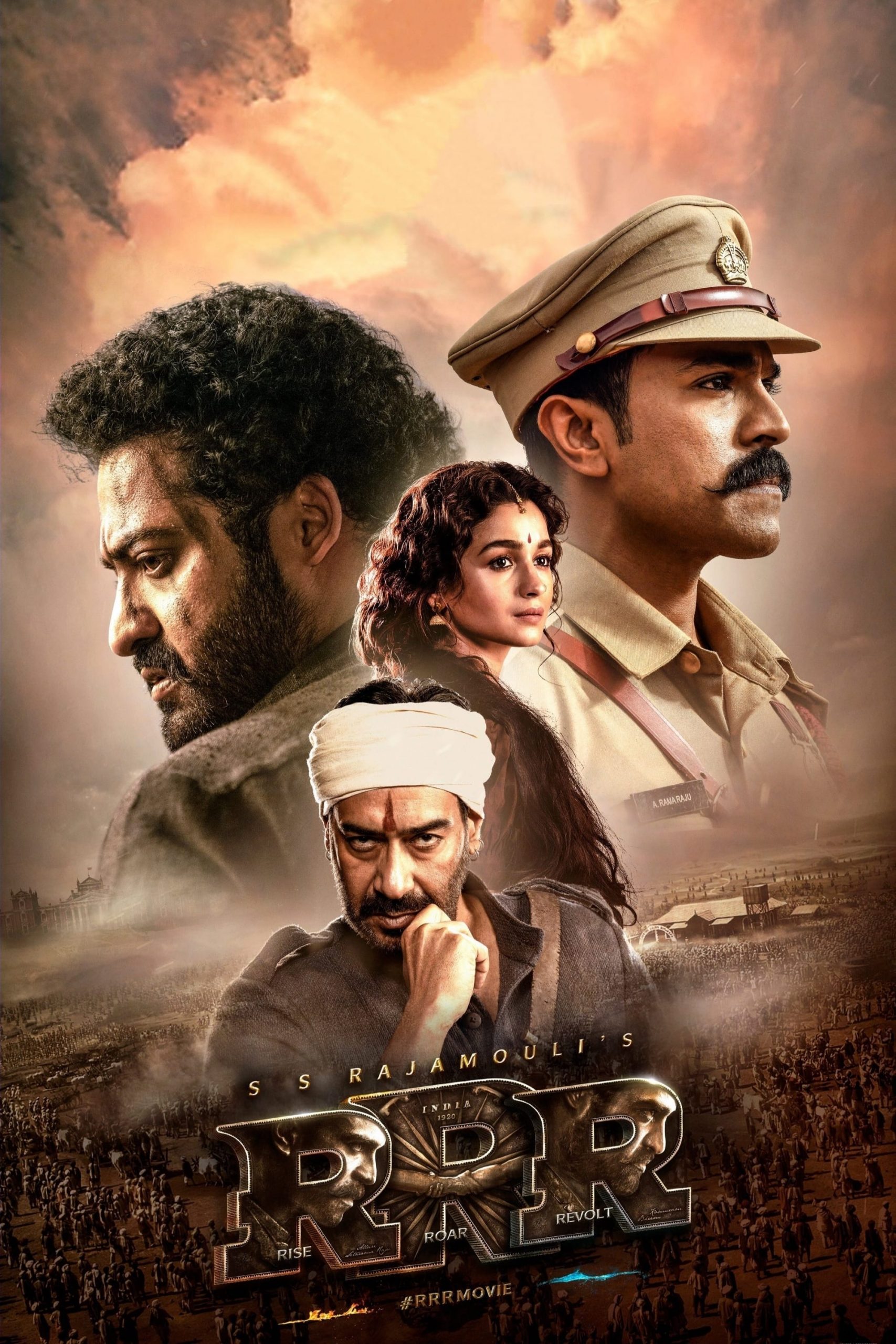
For decades, Telugu films entertained audiences across India. But when RRR won the Academy Award for Best Original Song for "Naatu Naatu," something shifted. It was a global moment of recognition. A song rooted in Telugu rhythm echoed across the world stage.
That Oscar was not just a trophy. It was validation that regional stories have universal power.
With Ramoji Film City standing as one of the largest film studios in the world, Telangana continues to tell stories - loudly, proudly, globally.
The Present: Fields, Pharma and Future
While Telangana carries its history with pride, it is also firmly looking ahead.
Agriculture remains the backbone of the state. Vast stretches of paddy fields, cotton farms, chilli crops, and turmeric cultivation define rural Telangana. Major irrigation projects like Kaleshwaram Lift Irrigation Project have transformed farming landscapes, bringing water to previously dry lands. Farming here is not just an occupation - it is identity.
At the same time, Hyderabad has become one of India's strongest IT hubs. Areas like HITEC City and Gachibowli house global technology giants. The city contributes significantly to India's software exports.
Telangana is also known as the "Vaccine Capital of the World." Its pharma and biotechnology sector is globally significant, with Genome Valley hosting leading pharmaceutical and life sciences companies. Major investments continue to flow into pharma manufacturing, data centers, electric vehicle manufacturing, and infrastructure development.
From millet farms to multinational offices, from village artisans to global investors - Telangana holds both worlds together.
A Story Still Being Written
Telangana may be politically young, but its heart is ancient.
It has seen prehistoric artists, warrior kings, Sufi saints, poets, farmers, artisans, filmmakers, engineers, and entrepreneurs. It has witnessed struggle and celebration, resistance and renewal.
And somehow, through all of it, it has remained warm.
Telangana is the rhythm of Bathukamma songs, the aroma of biryani, the strength of a farmer standing in his field, the glow of IT towers at night, the sound of azaan blending with temple bells, and the beat of "Naatu Naatu" reaching the world.
It is not just a state formed in 2014.
It is a civilization that continues to grow - without forgetting where it began.